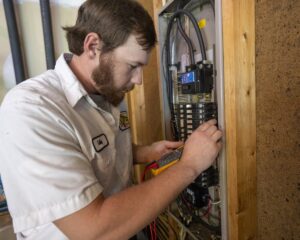
Electrical Repairs to Pass a Home Inspection in Tampa
Homes in Tampa often fail electrical inspections because they pose safety risks to the home’s occupants. These risks stem from issues like outdated electrical panels, faulty wiring, missing GFCI outlets, or overloaded breakers. Because inspections are a required part of selling, buying, or refinancing a home in Tampa, a failed inspection can quickly become an obstacle.
If you’re worried about failing your next home inspection, though, rest assured that many electrical issues are fixable if you contact licensed, professional electricians. They can get your home up to code and address any safety issues you’re having.
Why Electrical Issues Matter in Tampa Home Inspections
It’s easy to minimize home inspections, especially if you don’t plan on selling or buying a home soon. But electrical issues should be taken seriously, especially in Florida, where concerns like heat, humidity, and storm exposure can degrade electrical components.
Because of these risks, inspectors focus heavily on safety and code compliance, checking for issues like proper wiring and electrical panel conditions. This focus is important because electrical problems are one of the leading causes of household fires.
Electrical home inspections are important in Tampa for another reason. Older homes are common in Tampa neighborhoods, and these older homes typically have outdated electrical systems that no longer meet current safety standards or code requirements.
Most Common Electrical Repairs That Can Cause an Inspection to Fail
Outdated or Unsafe Electrical Panels
If you have outdated panels, such as Federal Pacific (FPE) Stab-Lok and Zinsco, your home may fail an electrical inspection. Inspectors will also flag issues like overloaded panels, missing panel covers, and improper labeling. Panel issues raise major concerns for inspectors because they can cause electrical shocks, fire, or overheating, making them unsafe for anyone in the home.
Exposed or Faulty Wiring
Damaged, frayed, or improperly spliced wiring in your home are other reasons an inspector can fail your inspection. Exposed wiring in crawl spaces, garages, and attics can pose a danger to pets and occupants, raising a red flag. In addition, aging insulation and any repairs you’ve attempted to do yourself further increase the risk of a failed inspection.
Missing or Non-Functioning GFCI Outlets
GFCI outlets are required in damp spaces like kitchens, bathrooms, garages, and outdoors. If you’re missing any in these areas or have non-functioning ones, your home will probably fail an electrical inspection.
The job of a GFCI is to detect an imbalance in an electrical current, making them crucial in rooms where there’s constant moisture or water. Inspectors check GFCI protection to ensure these rooms can prevent electric shock and comply with the National Electric Code (NEC) requirements.
Unfortunately, older Tampa homes often have common GFCI failures, like outdated devices or missing protection, making them ripe for household fires or electrical accidents.
Improper or Missing Grounding
Grounding is essential for safety as it directs excess electricity into the ground. This controlled path can help prevent electrical shocks, fire, or appliance damage.
In many older Tampa homes, though, two-prong receptacles and ungrounded outlets are common. Inspectors typically identify grounding issues by noting missing GFCI outlets in required rooms, visibly inspecting two-prong and three-prong outlets, and conducting tests with a handheld circuit tester or multimeter to confirm there’s a ground connection.
Double-Tapped or Overloaded Breakers
Double tapping means two wires are connected to one breaker terminal. Inspectors consider this a safety hazard as standard breakers should only hold one wire, and doubling them up can create an unstable setup.
To correct this problem, electricians can add a new breaker for the additional wires, add a sub-panel, or upgrade the main electrical panel.
Non-Code-Compliant DIY Electrical Work
DIY electrical work often fails home inspections due to a variety of reasons, like unapproved materials, double-tapping breakers, or incorrect panel setups. Inspectors also flag issues like exposed wiring, incorrect wiring, overcrowded breaker boxes, and missing GFCI outlets.
Our electricians always insist on proper installations and permits to ensure safety and local code compliance. DIY work can also invalidate insurance claims and delay a home sale.
Electrical Repairs Often Required for Older Tampa Homes
- Aluminum wiring concerns: Older Tampa homes built in the 1960s and 1970s frequently used aluminum wiring because it was a cheaper alternative. However, because it contracts and expands more than copper, there are numerous issues with overheating and loose connections. Aluminum wiring needs to be replaced with copper.
- Knob-and-tube or cloth-insulated wiring: Most insurers won’t insure homes with knob-and-tube or cloth-insulated wiring because their insulation degrades and they lack grounding. In these cases, a full replacement is required.
- Systems not designed for modern electrical loads: The electrical systems in older homes haven’t been able to keep up with modern technology, like air fryers, smart TVs, HVAC systems, computers, and iPads. Electricians must upgrade old, outdated panels and install grounded circuits.
What Home Inspectors Look for During an Electrical Inspection
- Panel condition and labeling: Inspectors visually inspect electrical panels to ensure they can handle the home’s electrical load. They also check for double-tapped breakers, overloading, and correct labeling for easy identification.
- Outlet testing and polarity: Inspectors test to confirm outlets are grounded and live and that your neutral, hot, and ground wires are properly connected (polarity).
- Visible wiring and junction boxes: Inspectors visually check for damaged, frayed, exposed, or faulty wiring. They also check junction boxes to confirm the wires are secured.
- GFCI and AFCI compliance: Lastly, inspectors check that GFCI outlets are installed and are functioning properly. They also check and test AFCI breakers or outlets in your home’s living areas.
When to Make Electrical Repairs: Before or After the Inspection
You should consider making your electrical system repairs before the buyer’s inspection.
The benefits of having a pre-listing electrical inspection include:
- Avoid last-minute surprises or delays
- Better control repairs
- Avoid buyer negotiations
- Ensure a faster sale
- Accurately price your home
How Tampa Mister Sparky Helps Homeowners Pass Inspections
If you’re worried about passing an electrical inspection, Tampa Mister Sparky can help. With our team, you’ll get professional electrical inspections and assessments. Our electricians will then give clear explanations on all your electrical issues, as well as repair recommendations. Once you agree to a residential electrical repair, we’ll ensure you get professional, code-compliant repairs from our licensed team. We can also help sellers, buyers, and real estate agents navigate inspection issues.
What Homeowners Should Do Next
Here are three crucial steps you should take next:
- Schedule an electrical inspection before you list or buy a home
- Address known issues as soon as possible
- Work with a trusted local electrician, like Tampa Mister Sparky, who is familiar with Tampa codes.
Call Tampa Mister Sparky
Residential electrical repairs are critical to passing inspections because they ensure your home is safe and compliant with local codes. They can also prevent electrical shocks, fires, or appliance damage.
Homeowners shouldn’t ignore warning signs, like a dimmer switch buzzing, outlets that are hot to the touch, frayed wiring, flickering lights, or frequently tripped breakers.
If you think your home’s electrical system isn’t up to par, contact Tampa Mister Sparky for electrical troubleshooting services or inspection-related electrical repairs. Don’t put up with any malarky. Call Mister Sparky.
FAQ’s – Electrical Repairs for Home Inspections
What electrical issues commonly fail a home inspection?
Common problems include outdated wiring, overloaded circuits, missing GFCI outlets, double-tapped breakers, and exposed wiring.
Do electrical problems affect home inspection results?
Yes. Electrical safety issues are a major concern during home inspections and may need repairs before a sale can proceed.
What electrical repairs are required to pass a home inspection?
Repairs often include installing GFCI outlets, fixing faulty wiring, updating breaker panels, and correcting code violations.
What are GFCI outlets, and why are they required?
GFCI outlets protect against electrical shock and are required in areas like kitchens, bathrooms, garages, and outdoor spaces.
What is a double-tapped breaker, and why is it a problem?
A double-tapped breaker occurs when two wires are connected to one breaker designed for only one wire, which can create safety risks.
Can outdated electrical panels cause inspection problems?
Yes. Older electrical panels or fuse boxes may be flagged for not meeting current safety standards.
Are exposed wires a concern during a home inspection?
Yes. Exposed or damaged wiring can create safety hazards and typically needs to be repaired.
Do missing outlet covers fail a home inspection?
Yes. Missing outlet or switch covers are often flagged because they expose electrical components.
Should smoke detectors be updated before a home inspection?
Yes. Inspectors often check that smoke detectors are installed correctly and functioning properly.
Who should perform electrical repairs before a home inspection?
A licensed electrician should perform electrical repairs to ensure compliance with local electrical codes.
Can electrical upgrades increase a home’s value before selling?
Yes. Upgraded electrical systems can improve safety and appeal to potential buyers.
When should homeowners schedule electrical repairs before an inspection?
It’s best to address electrical issues before listing the home, so potential problems don’t delay the sale.