Blog

6 Signs You Need Electric Meter Box Replacement

Your electric meter box plays an important role in your home’s electrical system, yet it’s often overlooked until something goes wrong. This small yet essential piece of equipment connects your home to the power grid and ensures electricity flows safely. Over time, wear and tear, weather, and age can cause problems. This can lead to inefficiencies or even dangerous situations. If left unchecked, a faulty meter box can cause financial strain, electrical hazards, and equipment

Read More »
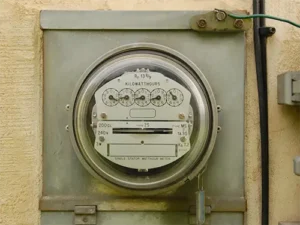
Analog electric meter box mounted on a residential property wall in Tampa.

Who Is Responsible for Replacing Electric Meter Box?

So, there you are, living your life, paying your bills, and suddenly you notice something is off with your electric meter box. Maybe it’s a crack, some rust, or worse, you’re getting inconsistent energy bills. Now, here’s the million-dollar question: who’s responsible for fixing or replacing an electric meter box? It’s a common source of confusion for homeowners. In this article, we’ll break down exactly what an electric meter box does, who’s on the hook

Read More »

What Causes a Power Surge and How to Prevent It

Electricity powers many things in our daily lives. It lights up our homes and runs the many electric devices we use. We rely on a steady, uninterrupted flow of power to keep things running smoothly. But what happens when that flow is disrupted? Enter the power surge, a force that can wreak havoc on your appliances and electronics without warning. Power surges can happen for various reasons, and understanding what causes them is the first

Read More »

Is Whole House Surge Protection Worth It?

If you’ve ever lost an expensive appliance or electronic device to a power surge, you know how frustrating—and costly—it can be. Power surges can hit your home without warning, frying electronics, damaging HVAC systems, and even sparking fires. Lightning strikes, power line issues, or grid fluctuations can cause sudden bursts of electricity. These bursts can damage your home’s electrical systems. But that’s where whole-house surge protection steps in. The big question is: is whole-house surge

Read More »

What Causes a GFCI to Trip?

Ground Fault Circuit Interrupters, or GFCIs, are those small but mighty devices that keep you safe from electrical shock. You’ve probably seen them in your kitchen or bathroom — the outlets with the little “Test” and “Reset” buttons. They may seem like just another gadget, but in truth, they play a huge role in preventing severe injuries or worse. What makes GFCIs so valuable is their ability to monitor electrical flow and trip (or shut

Read More »
is an open ground dangerous?

Is An Open Ground Dangerous?

Open grounds are those mystery issues flagged during home inspections. But what exactly are they, and should you be worried? Spoiler alert: Yes. In this article, we’ll break down what an open ground is, why it’s dangerous, and what you can do about it. Because when it comes to your home’s electrical safety, ignorance isn’t bliss—it’s downright risky. Key Takeaways An open ground happens when an outlet isn’t properly connected to the home’s grounding system.

Read More »

Residential vs. Commercial Electrician: Key Differences

Understanding the differences between residential and commercial electricians is important when tackling electrical work. Electricians come in various specializations, and while both residential and commercial electricians focus on installing, maintaining, and repairing electrical systems, their work environments and challenges set them apart. Residential electricians primarily handle homes, apartments, and small properties. Commercial electricians work on businesses, larger properties, and more complex systems. This article will explore the skills, tools, and expertise of each type of

Read More »
commercial low voltage wiring

Commercial Low Voltage Wiring: The Ultimate Guide

Low voltage wiring is the hidden backbone of modern commercial buildings, quietly powering essential systems that keep businesses running smoothly. It’s the wiring responsible for security cameras, internet networks, audio/video systems, and phone lines. Operating at less than 120 volts, low voltage systems offer a safer and more efficient way to manage a building’s electronic needs. And with more businesses relying on these systems, knowing how they work and are installed can make a world

Read More »

Signs You Need a Circuit Breaker Replaced

Signs You Need a Circuit Breaker Replaced Your home’s electrical system ensures all your appliances and gadgets run smoothly. But, circuit breakers can and will eventually break down due to wear and tear. Ignoring these signs can lead to major issues, such as electrical fires. On the other hand, understanding these signs and being proactive about maintaining your electrical system can keep you safe. Here are some signs that you will need to replace your

Read More »

Why Do I Need A Disconnect Switch in Florida?

Why Do I Need a Disconnect Switch in Florida? With an emphasis on risk reduction for firefighters, the 2020 National Electrical Code (NEC) requires the installation of disconnect switches at building exteriors. This requirement applies to all new one and two-family dwellings throughout the United States. While many Florida homes have main breakers for emergency shut-off, first responders cannot access them without entering buildings. Although firefighters pulled meters to disconnect power supplies in the past,

Read More »